Why this matters
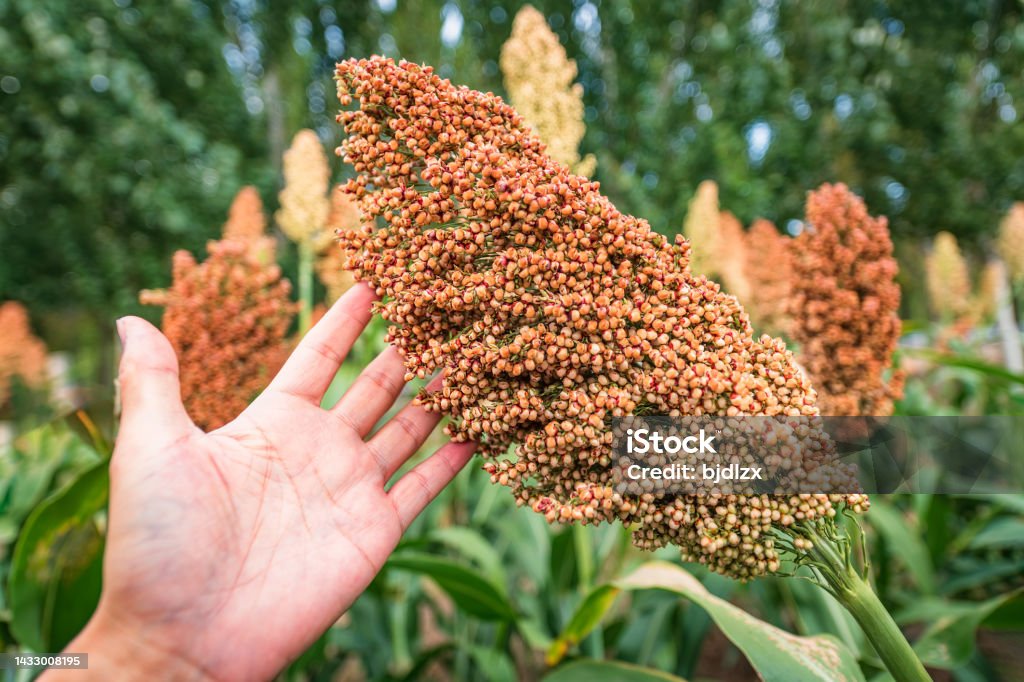
Breastfeeding raises a mother's daily need for energy, protein, iron, calcium, and several vitamins. Many women start the postpartum period with low iron stores after pregnancy and birth, and lactation draws calcium from the mother's own bones. Millet porridge, a traditional food for new mothers in many African and Asian communities, is affordable, easy to digest, and nutrient-dense, which makes it a sensible everyday option during this period.
An important point from the research: for most minerals, including iron and calcium, the amount in breast milk stays fairly stable regardless of what the mother eats. This means millet's minerals mainly protect the mother's own health and energy, while milk levels of some vitamins, such as B12 and vitamin A, do depend on her diet. Millet porridge is therefore best seen as part of a varied diet, not a complete one.
Five key findings
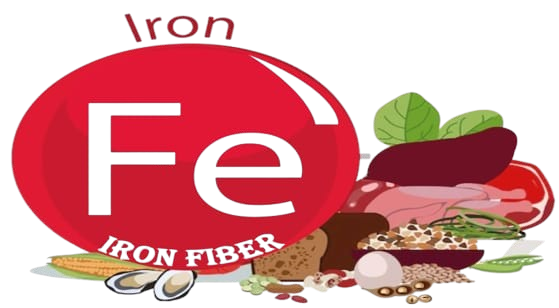
Iron and anemia.
In a meta-analysis of 13 randomized trials, people eating millet-based diets raised their hemoglobin by 13.6%, compared with 4.8% in control groups eating usual staples. Fermenting or sprouting millet increased the iron the body can absorb by about 3.4 and 2.2 times.
Calcium for the mother's bones
Finger millet (known as uburo in Rwanda) contains about 364 mg of calcium per 100 g, roughly three times more than milk, and it is the only cereal with consistently high calcium. Lactation temporarily lowers bone density, which usually recovers after weaning.
Steadier blood sugar and energy.
Millets have an average glycemic index of 52.7, about 36% lower than milled rice or refined wheat. In people with diabetes, regular millet intake lowered fasting blood glucose by 12%. This is relevant for mothers who had gestational diabetes.
Possible support for milk supply.
In a 2025 Ghanaian trial with 75 mothers, a drink made from 74% millet, 25% soya, and 1% ginger produced the largest increases in breast milk volume and prolactin over 14 days. This is promising but early: the study was small and unblinded and could not separate the effect of millet from soya or ginger.
A trusted traditional food.
In a survey of 402 Ghanaian mothers, 83.8% used foods believed to boost milk, and hot millet porridge was among them. Cultural familiarity makes millet porridge easy to promote.
Practical tips for mothers
• Choose finger millet (uburo) flour, or blend it with sorghum for extra calcium and iron.
• Ferment the batter overnight or use sprouted flour to improve iron absorption.
• Add milk, soya flour, or groundnut paste for protein, and eat with a vitamin C–rich fruit.
• Keep added sugar low, and avoid tea or coffee right after the meal, as they reduce iron absorption.
• Drink plenty of water and eat a varied diet with vegetables, eggs, fish, or meat where possible.
References
Ali, Z., Bukari, M., Mwinisonaam, A., Abdul-Rahaman, A.-L., & Abizari, A.-R. (2020). Special foods and local herbs used to enhance breastmilk production in Ghana: Rate of use and beliefs of efficacy. International Breastfeeding Journal, 15(1). https://doi.org/10.1186/s13006-020-00339-z
Allen, L. H., & Dror, D. K. (2018). Introduction to current knowledge on micronutrients in human milk: Adequacy, analysis, and need for research. Advances in Nutrition, 9(Suppl. 1), 275S–277S. https://doi.org/10.1093/advances/nmy018
Anitha, S., Givens, D. I., Botha, R., Kane-Potaka, J., Sulaiman, N. L. B., Tsusaka, T. W., Subramaniam, K., Rajendran, A., Parasannanavar, D. J., & Bhandari, R. K. (2021). Calcium from finger millet—A systematic review and meta-analysis on calcium retention, bone resorption, and in vitro bioavailability. Sustainability, 13(16), Article 8677. https://doi.org/10.3390/su13168677
Anitha, S., Kane-Potaka, J., Botha, R., Givens, D. I., Sulaiman, N. L. B., Upadhyay, S., Vetriventhan, M., Tsusaka, T. W., Parasannanavar, D. J., Longvah, T., Rajendran, A., Subramaniam, K., & Bhandari, R. K. (2021). Millets can have a major impact on improving iron status and hemoglobin level and in reducing iron deficiency anemia—a systematic review and meta-analysis. Frontiers in Nutrition, 8, Article 725529. https://doi.org/10.3389/fnut.2021.725529
Anitha, S., Kane-Potaka, J., Tsusaka, T. W., Botha, R., Rajendran, A., Givens, D. I., Parasannanavar, D. J., Subramaniam, K., Prasad, K. D. V., Vetriventhan, M., & Bhandari, R. K. (2021). A systematic review and meta-analysis of the potential of millets for managing and reducing the risk of developing diabetes mellitus. Frontiers in Nutrition, 8, Article 687428. https://doi.org/10.3389/fnut.2021.687428
Anitha, S., Tsusaka, T. W., Givens, D. I., Kane-Potaka, J., Botha, R., Sulaiman, N. L. B., Upadhyay, S., Vetriventhan, M., Rajendran, A., Parasannanavar, D. J., Longvah, T., Subramaniam, K., & Bhandari, R. K. (2024). Does millet consumption contribute to raising blood hemoglobin levels compared to regular refined staples?: A systematic review and meta-analysis. Frontiers in Nutrition, 11, Article 1305394. https://doi.org/10.3389/fnut.2024.1305394
Dror, D. K., & Allen, L. H. (2018). Overview of nutrients in human milk. Advances in Nutrition, 9(Suppl. 1), 278S–294S. https://doi.org/10.1093/advances/nmy022 Kovacs, C. S. (2016). Maternal mineral and bone metabolism during pregnancy, lactation, and post-weaning recovery. Physiological Reviews, 96(2), 449–547. https://doi.org/10.1152/physrev.00027.2015
Tahiru, R., Amoako, M., & Apprey, C. (2025). Effect of a ginger-spiced millet-soya drink and breastfeeding education on prolactin levels and breast milk volumes in postpartum mothers in northern Ghana: A randomized controlled trial. International Breastfeeding Journal, 20. https://doi.org/10.1186/s13006-025-00762-0